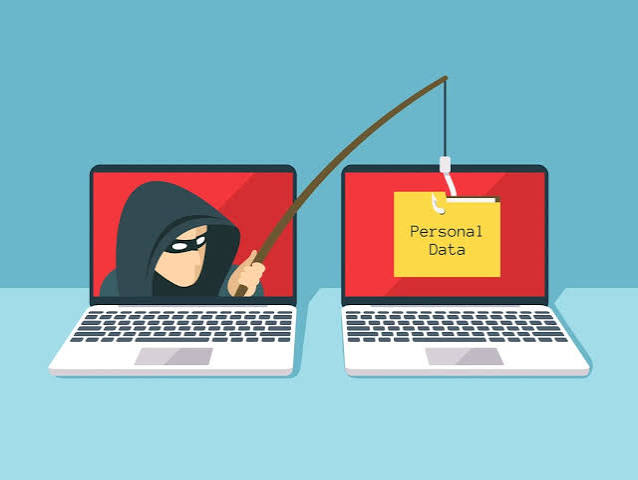
Most people envision cyber attacks as some sophisticated scheme, with a group of hooded people Infront of giant supercomputer, cracking at code. In reality, the attacks that hit young people the most often, are far more simple and personal, phising attacks. It could be like a message that a young person gets, saying your gaming account will be deleted, if you don't log into this website. Or a "friend" who's account has been hacked sends you a message with a promise or free money or game items. Or a free in game currency website asks you for your login info. Every one of these relies on a simple trick, making you feel a sense of urgency, making you act on impulse, not on thought. Often when a hacker finds a password, they'll try it everywhere, seeing if it works, often people reuse the same passwords for multiple sites, which can be very dangerous, because it often works.
The consequences are often not just limited to game items being lost, losing control of accounts can mean bad actors stealing money, viewing private messages, photos and seeing who's on your friends list, possibly making them their next victims. This loss can effect people mentally, causing a lack of sleep, anxiety and stress. There are 3 main habits which can aid you in ensuring that you don't fall prey to these attacks, having a unique password for each account, having two-factor authentication on (using a separate account to authenticate whether the person signing in is actually you) and actually thinking before you press on a link, who sent it to you, what it is and is it too good to be true?
Reported to Scamwatch in a single year
Source: Scamwatch / NASC, Targeting Scams report 2024
Of young people have had a negative online experience
Source: eSafety Commissioner, Australia, 2024
Of hacking-related breaches involve weak or stolen passwords
Source: Verizon Data Breach Investigations Report
References
- National Anti-Scam Centre (2024). Targeting Scams: Report on scam activity. Australian Competition and Consumer Commission. scamwatch.gov.au
- eSafety Commissioner (2024). Young people's experiences online. Australian Government. esafety.gov.au
- Verizon (2024). Data Breach Investigations Report. verizon.com/dbir